Wisdom teeth removal · Buderim, Sunshine Coast
All four removed in a single appointment by registered specialist oral and maxillofacial surgeons. Choose to be completely asleep under a general anaesthetic in an accredited private hospital or in our Buderim clinic, or deeply relaxed under IV sedation.
Your surgeons
Dr Trent Lincoln founded the practice at the Nucleus Medical Suites in 2018. Dr Andrew Higgins joined and bought into it in 2020, and the two now own it together.
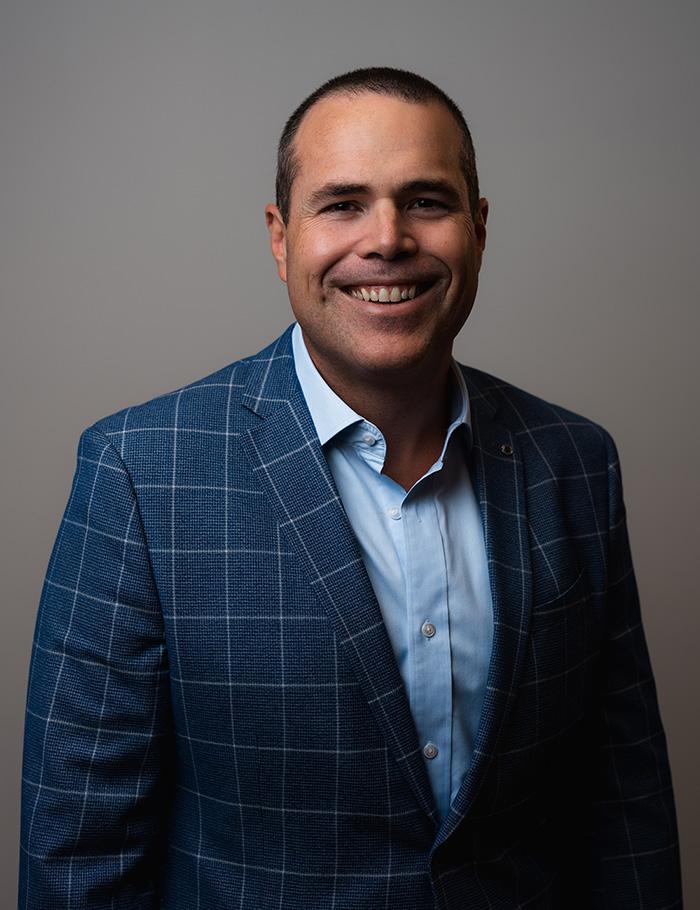
Oral & Maxillofacial Surgeon, Founder · BMed (Hons), BDSc, FRACDS (OMS)
Dr Lincoln graduated in Medicine with Honours from Monash, completed Dentistry at the University of Queensland, and finished the Queensland Oral and Maxillofacial Surgery training program across the Royal Brisbane and Women's, Princess Alexandra, Mater, Queensland Children's, Ipswich, Logan and Townsville hospitals.
He has published research on piezoelectric wisdom tooth removal, a technique that reduces the swelling and discomfort patients once expected after this surgery.

Oral & Maxillofacial Surgeon, Co-owner · MBBS, BDS, FRACDS (OMS)
Dr Higgins completed medicine in Melbourne in 2008, then dentistry at James Cook University with an academic prize, followed by four years of advanced surgical training across Brisbane's major hospitals and Royal Darwin.
He passed his fellowship examination in 2019 and received the Robert M Cook Medal for the highest mark in Australia and New Zealand. Dentoalveolar surgery, which includes wisdom teeth, is a particular interest.
What a specialist brings
Impacted lower wisdom teeth sit near the inferior alveolar and lingual nerves. Assessing that anatomy on a 3D scan and managing it during surgery is precisely the work oral and maxillofacial surgeons spend years training for.
An oral and maxillofacial surgeon in Australia holds a medical degree, a dental degree, and a four year surgical fellowship. Both surgeons hold that qualification, and this is routine work for them, including the impacted and complex cases practitioners across the region refer on.
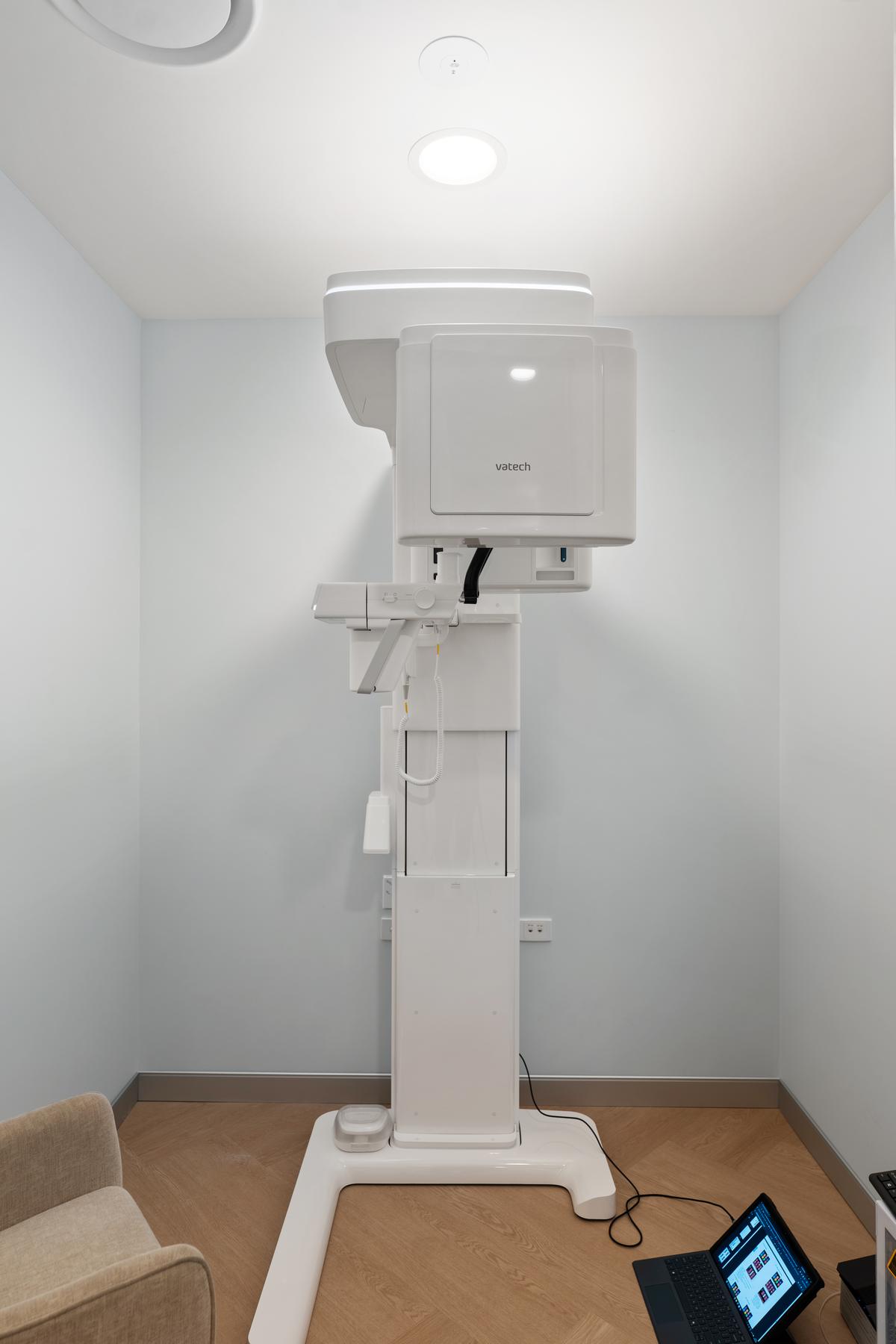
On-site 3D CBCT imaging at the Nucleus Medical Suites, Buderim.
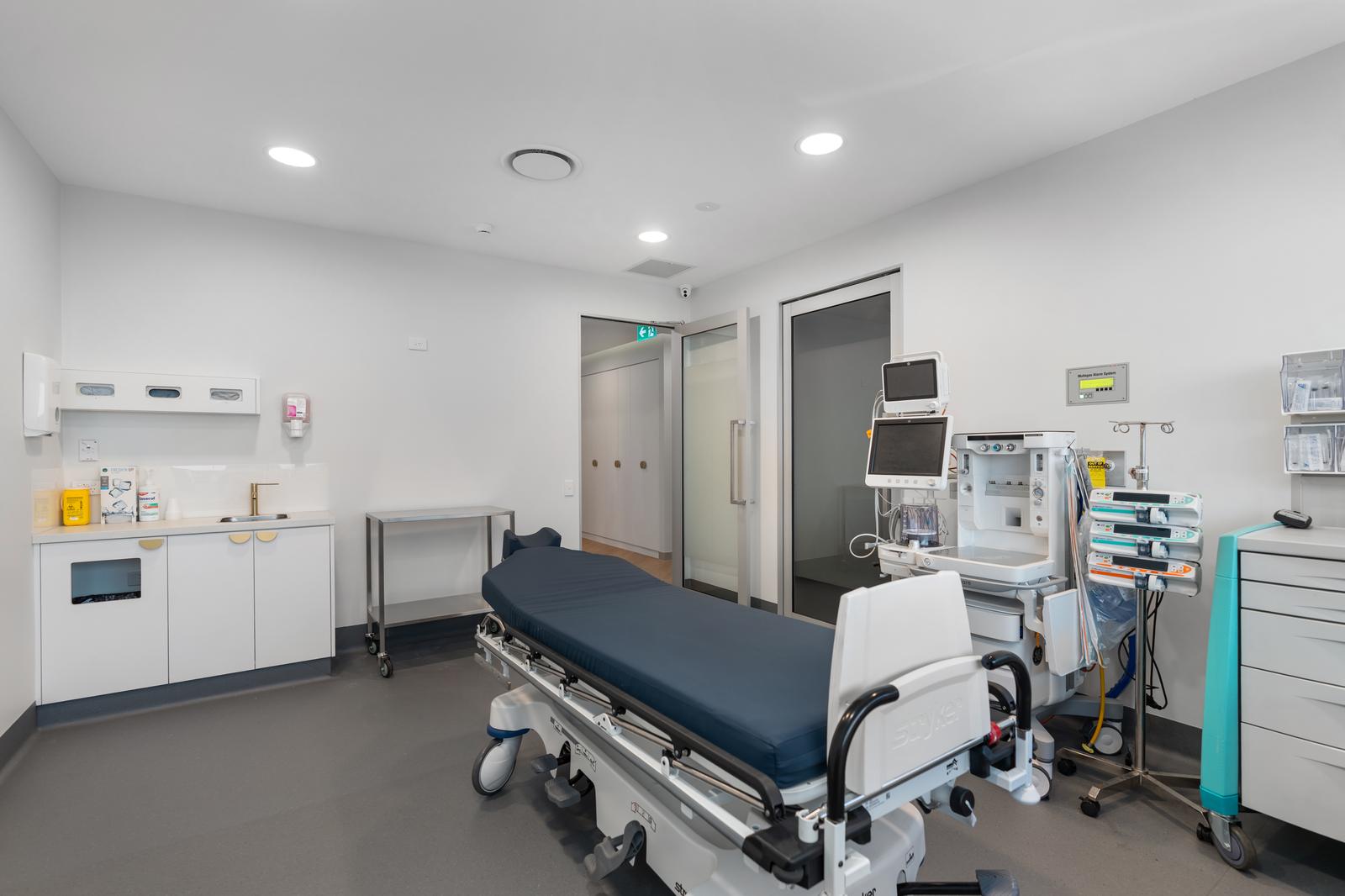
Where you will be seen
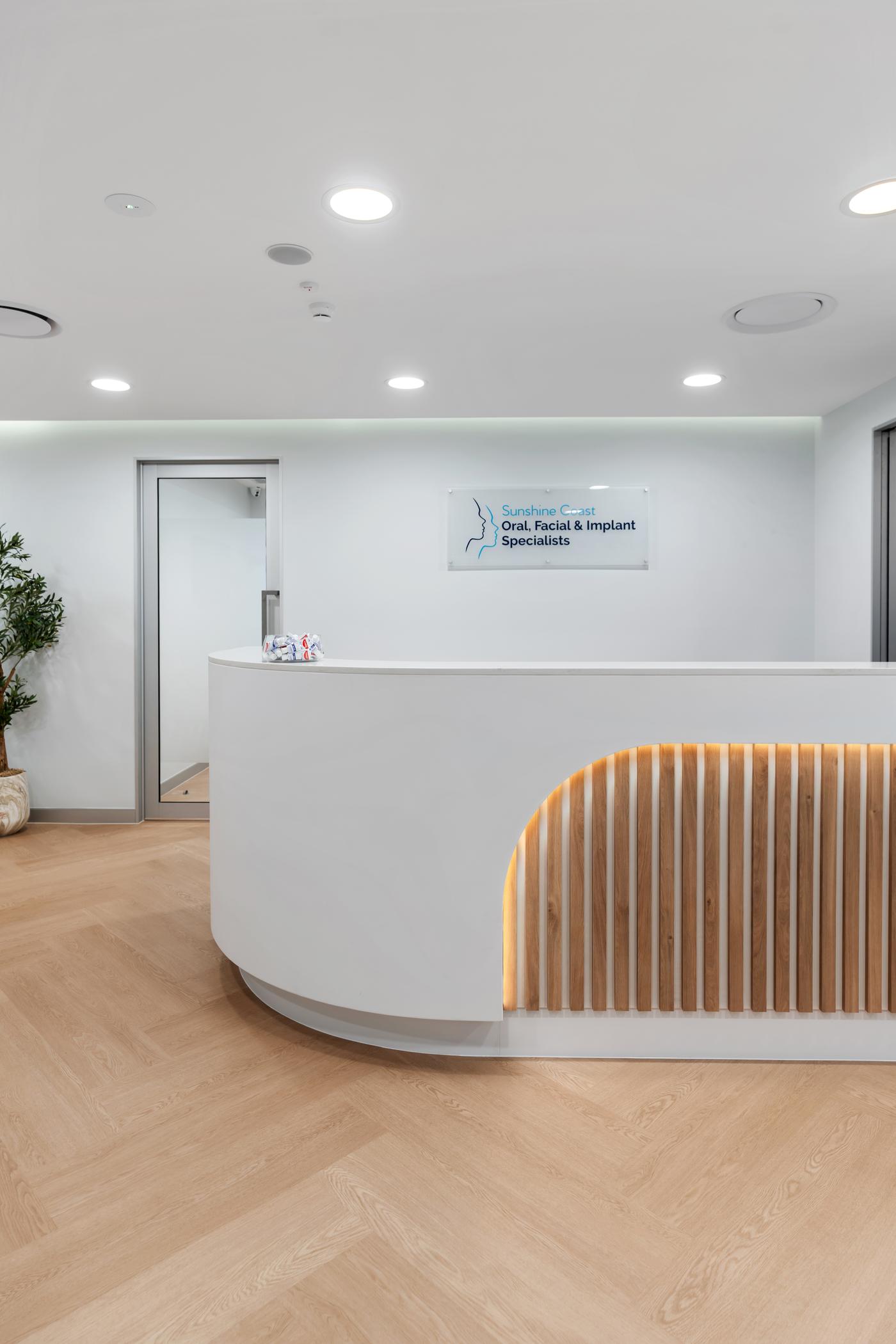
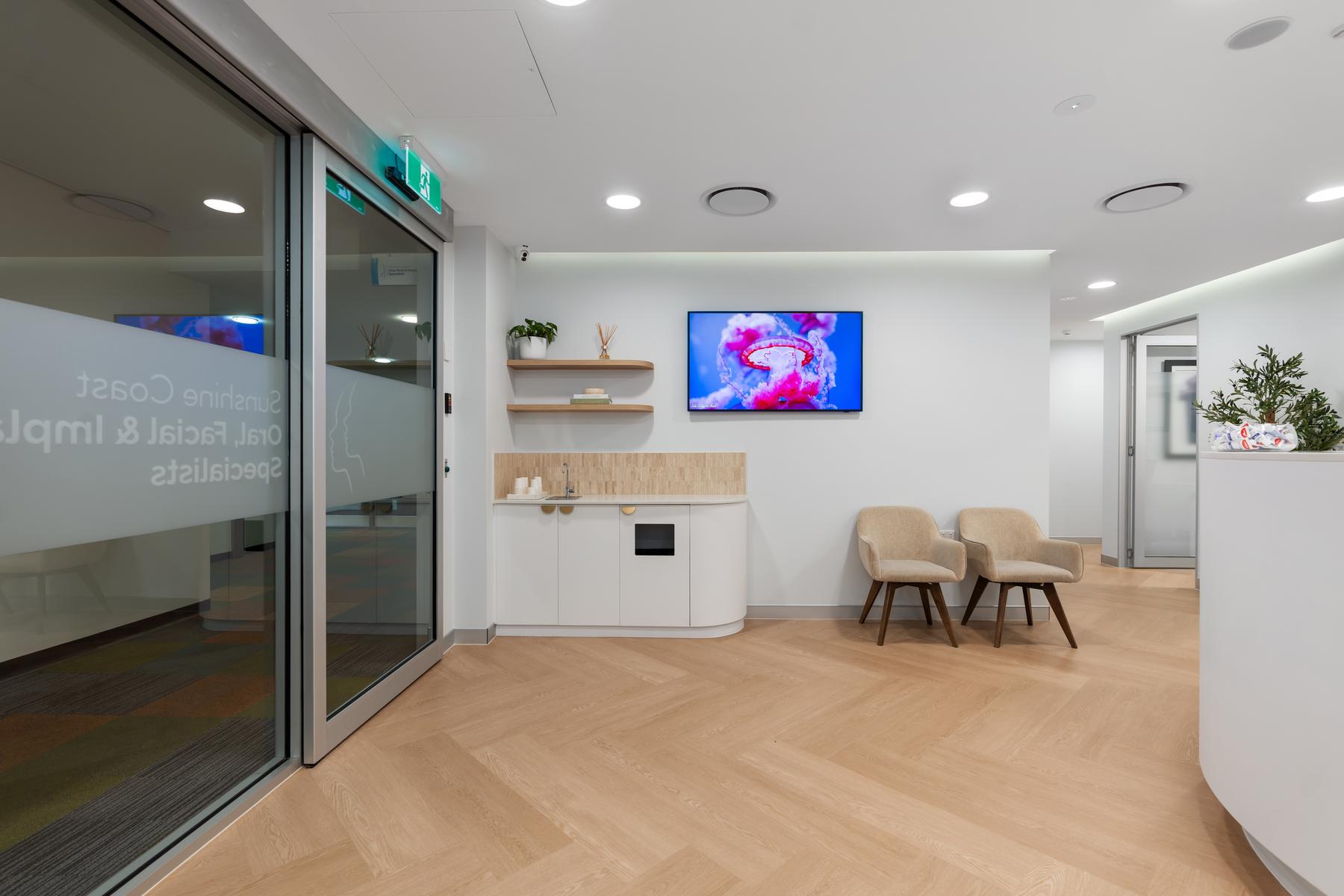
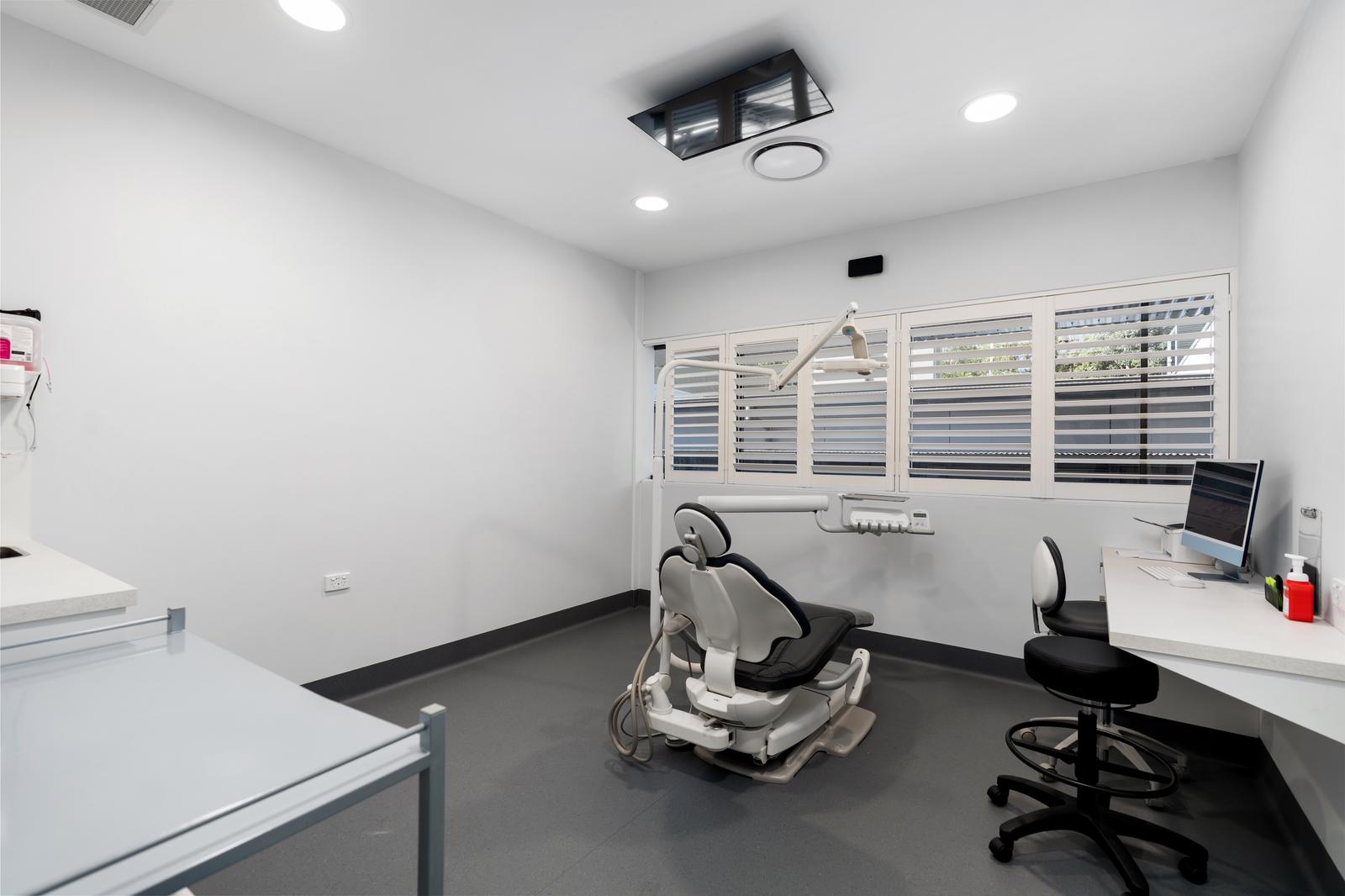
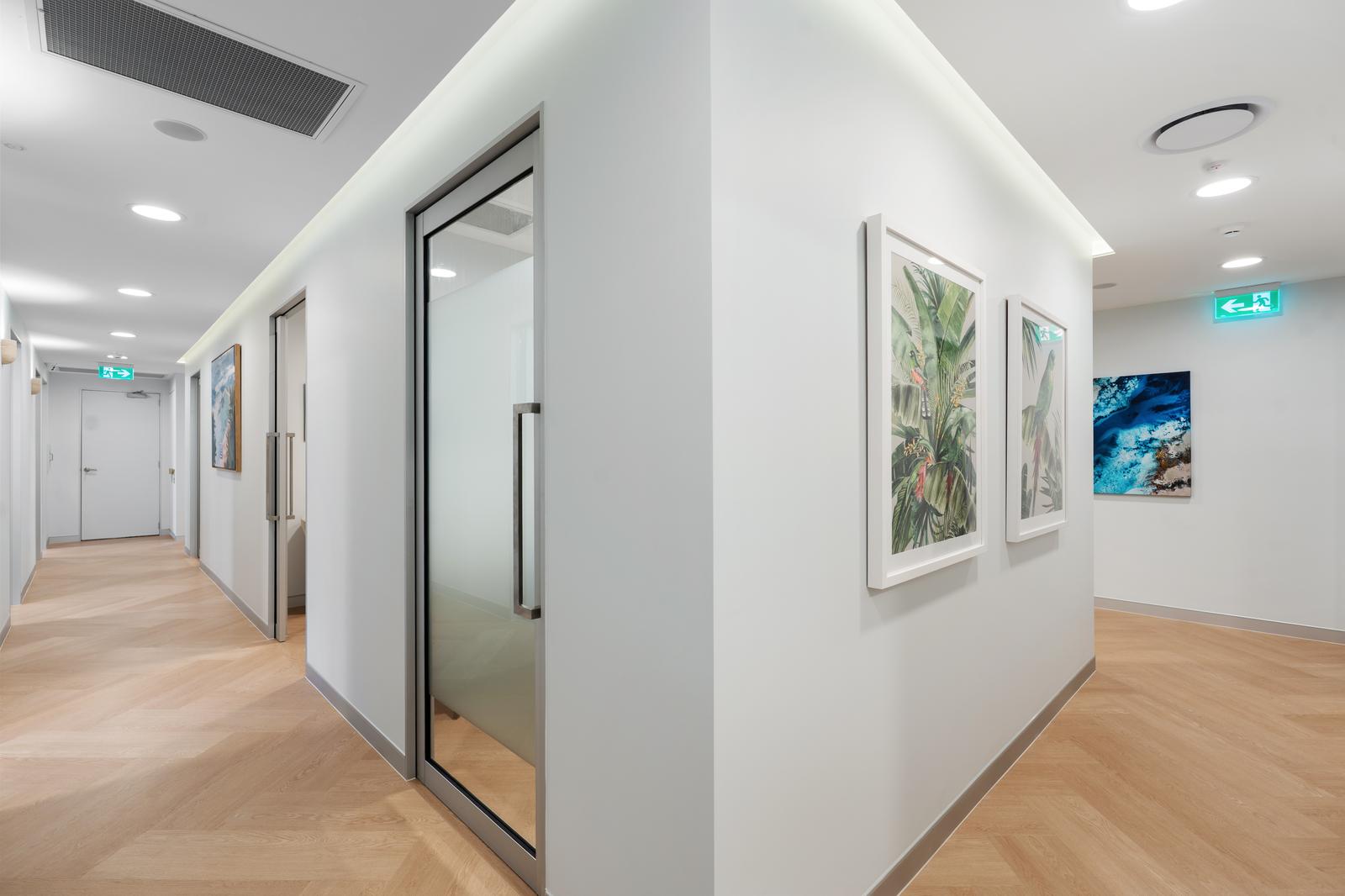
The practice sits within the Buderim Private Hospital precinct, surrounded by rainforest and five minutes from Mooloolaba, with on-site parking and lift access. It includes a dedicated procedure room for in-clinic treatment under local anaesthetic or IV sedation, and on-site 3D CBCT imaging.
All consultations are held in Buderim. If you choose a general anaesthetic in hospital, your surgery takes place in the accredited private hospital that suits your case and where you live.
Private hospital locations
If you choose a general anaesthetic in hospital, your surgeon recommends the theatre that suits your case and where you live.
Suite 5, 23 Elsa Wilson Drive, Buderim
12 Elsa Wilson Drive, Buderim
Second Ave & Memorial Ave, Maroochydore
12 Future Way, Maroochydore
62 Netherton Street, Nambour
1 Medical Place, Urraween
Paying for treatment
What it costs depends on how many teeth are removed, how impacted they are, and which anaesthetic setting you choose. In-clinic options avoid the hospital fees entirely.
Spread the cost across instalments rather than paying up front. Our patient coordinator explains the plans available and what the repayments look like for your case. Approval is subject to the provider's criteria.
Extras cover typically contributes toward the surgical fees, and if you choose a general anaesthetic in hospital, your hospital cover may apply to theatre and anaesthetist costs. We give you the item numbers so you can check your exact rebate with your fund first.
You receive a written, itemised treatment plan after your consultation, so you know the full figure before deciding anything. Payment plan approval is subject to the provider's criteria. Health fund rebates vary between funds and policies.
About wisdom teeth
Most of us develop wisdom teeth, but many jaws simply do not have space for them to come through. When that happens the teeth become impacted, fully or partially, and problems follow: infected and inflamed gum over a partly erupted tooth, decay in the wisdom tooth or the molar in front of it, resorption of the neighbouring tooth, jaw pain, and occasionally cysts around a buried tooth.
Removal is also commonly recommended before or after orthodontic treatment, ahead of corrective jaw surgery, or simply as a preventive step. If your dentist has referred you, or an x-ray shows impaction, it is worth a specialist assessment sooner rather than later. Removal is generally simpler, with lower risk, in younger patients before the roots have fully formed.
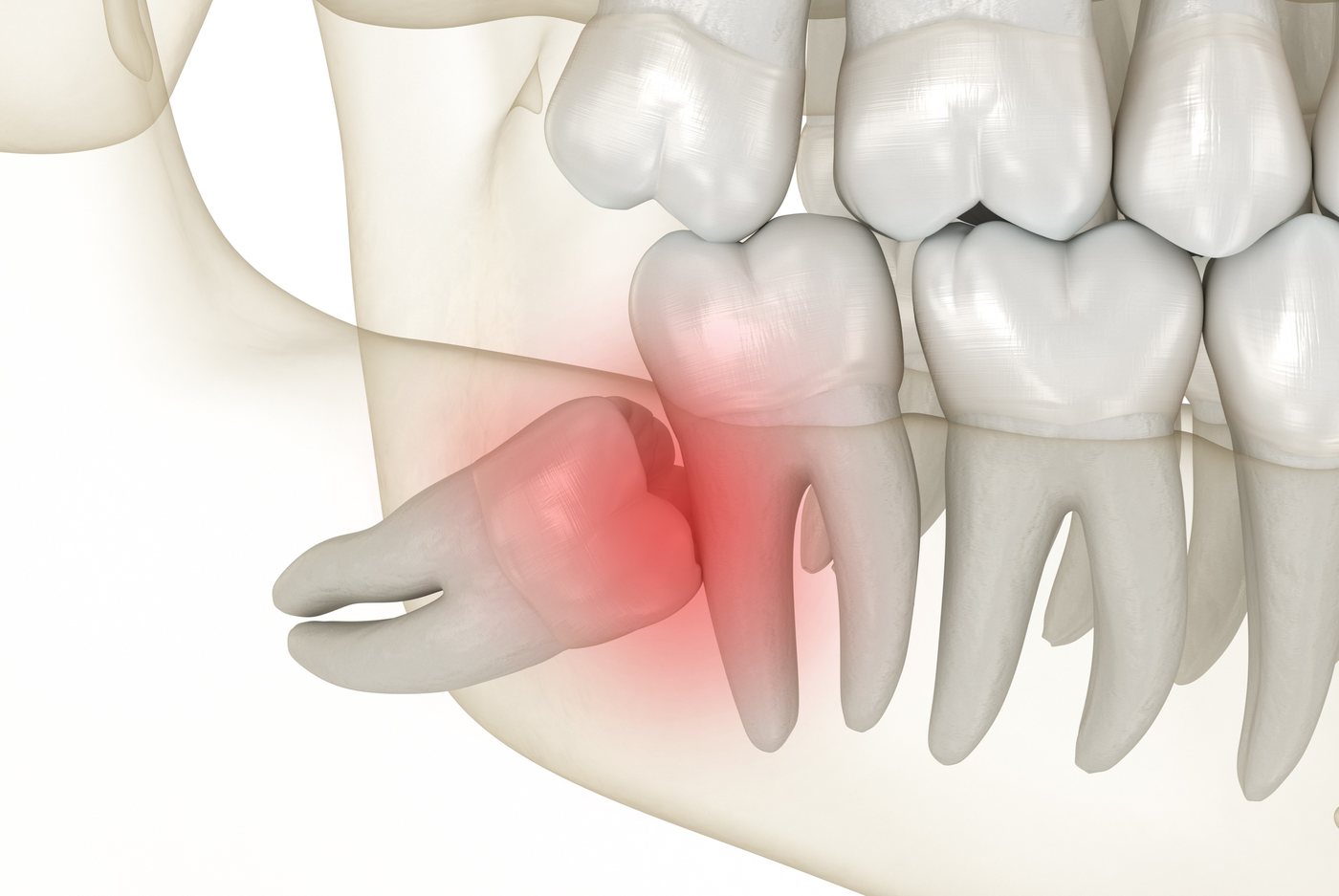
An impacted wisdom tooth pressing into the tooth in front, a common cause of pain and decay.
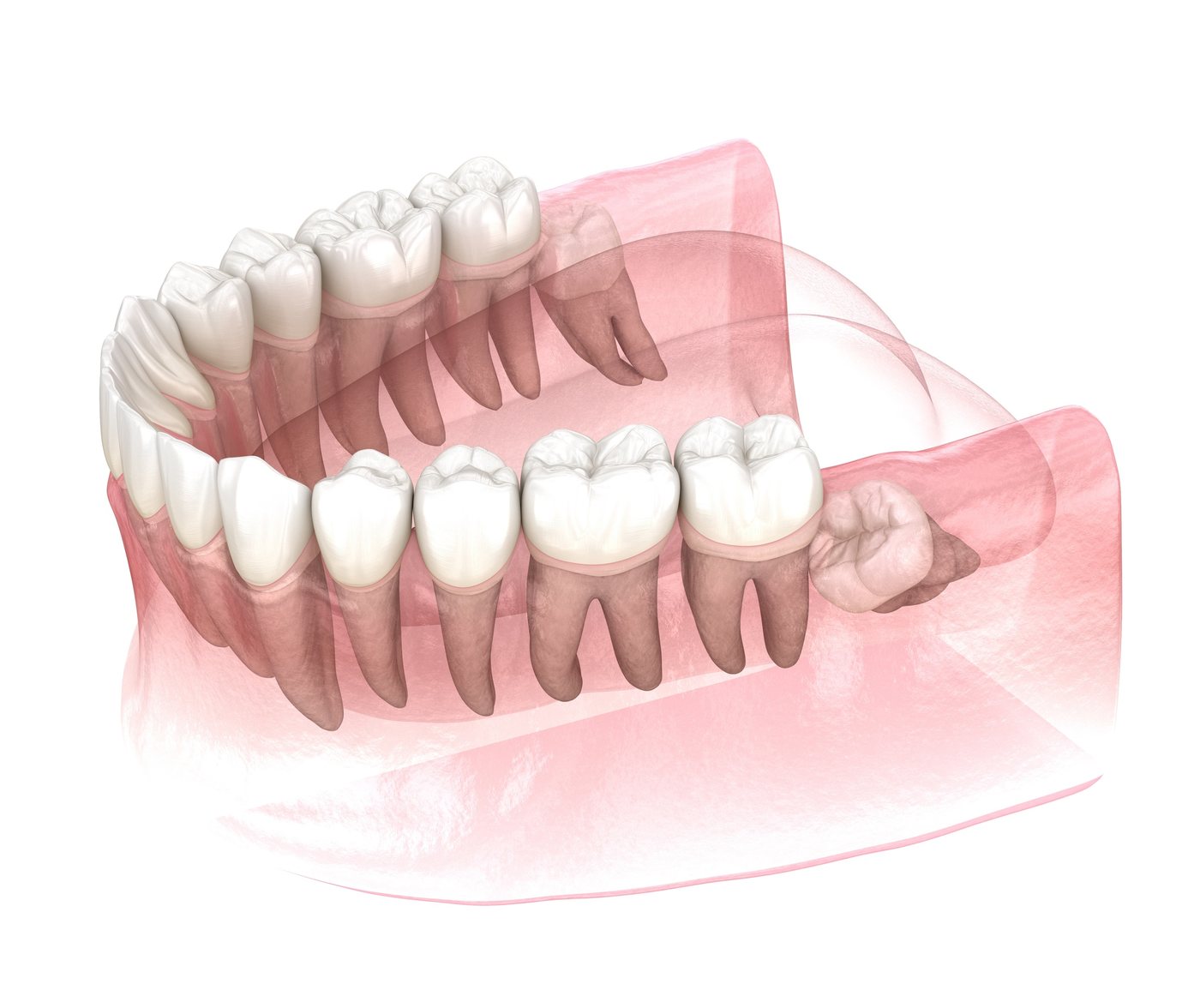
Upper and lower wisdom teeth, usually removed together in a single procedure.
One appointment
Removing all four in one procedure means one anaesthetic, one recovery and one round of time off, rather than repeating the process four times. If your case is better staged, your surgeon will explain exactly why.
Your anaesthetic options
Nobody looks forward to this. That is why there are four ways to have it done, and the right one depends on your case, how anxious you are, and your budget. Whichever you choose, the surgical site is always fully numbed as well.
Completely unconscious for the whole procedure, cared for by a specialist anaesthetist in an accredited private hospital theatre. You wake up with it done. The most popular choice for all four.
The same fully asleep experience in our Buderim rooms with an anaesthetist present. Suitable for selected cases, without the hospital admission, and often a more affordable path to being asleep.
Twilight sedation delivered through a drip. You are drowsy, calm and comfortable, and most patients remember little or nothing of the procedure. A middle ground between local and a general anaesthetic.
For simpler cases the area is fully numbed and you stay awake, in our rooms, with no fasting and no need for someone to drive you home afterwards.
What happens, and when
From first call to full recovery, most patients are done inside a few weeks.
Your surgeon assesses your wisdom teeth on an OPG or 3D scan, checks their position against the nerves and sinuses, and confirms whether removal is recommended.
Together you decide between a general anaesthetic in hospital, a general anaesthetic in our clinic, IV sedation or local, and your date is booked. You get a written quote first.
Usually all four teeth are removed in a single procedure well under an hour. You recover under supervision and go home the same day with someone to accompany you.
Swelling and tenderness settle over the first week, peaking around day two or three. Most people are back to work or study within a few days.
Before you enquire
Not always. Impacted wisdom teeth causing pain, repeated gum infection, decay or damage to the tooth in front generally should be removed, and many patients choose preventive removal before problems start. A specialist consultation with imaging gives you a straight answer either way. If they do not need to come out, we will tell you.
Yes. Most of our wisdom teeth patients choose a general anaesthetic, either in an accredited private hospital theatre or, for selected cases, in our Buderim clinic, always with an anaesthetist responsible for the anaesthetic. You are completely unconscious and wake with the procedure finished.
Under a general anaesthetic you are fully unconscious. Under IV sedation you are in a drowsy, twilight state: technically conscious, but deeply relaxed, and most patients remember little or nothing afterwards. Sedation can be done in our rooms, which also makes it more affordable. Your surgeon will recommend the safest option for your case.
No referral is needed to see us, though many patients are sent by their dentist. If you have a referral from your dentist or GP you may be eligible for a Medicare rebate on the consultation. Bring any recent x-rays or an OPG along, as it may save you an imaging fee.
Most people take two to three days off work or study and are largely back to normal within a week. Swelling peaks around day two or three and then settles. You go home with written aftercare covering pain relief, eating and keeping the sites clean, plus direct contact details for our team.
You will not feel the procedure itself, whichever anaesthetic option you choose, because the area is always fully numbed as well. Afterwards expect tenderness and swelling for a few days, managed with the pain relief plan we send you home with.
All surgery carries risks. For lower wisdom teeth the important ones involve the nerves that run close to the roots, which can cause temporary and rarely permanent numbness of the lip, chin or tongue. This is exactly why impacted teeth are best assessed and removed by a specialist surgeon. Your surgeon reviews your nerve anatomy on imaging and explains your individual risks before you consent to anything.
Extras cover typically contributes to the surgical fees, and hospital cover may apply to theatre and anaesthetic costs if you are treated under a general anaesthetic in hospital. Cover varies widely between funds and policies, so we give you the item numbers to check with your fund before you commit. Payment plans are also available.
Take the first step
Tell us where things stand and our patient coordinator will call you to arrange an assessment with Dr Lincoln or Dr Higgins.
Our patient coordinator will be in touch to arrange your assessment. We never share your details.
Our patient coordinator will be in touch shortly to arrange your assessment. If you would like to speak to someone now, call (07) 5406 0586.