Dental implants & full arch · Buderim, Sunshine Coast
From a single missing tooth to a fixed full arch on four implants. Planned on 3D imaging taken in our own rooms and placed by registered specialist oral and maxillofacial surgeons, consulting in Buderim and operating across five accredited private hospitals.
Your surgeons
Dr Trent Lincoln founded the practice at the Nucleus Medical Suites in 2018. Dr Andrew Higgins joined and bought into it in 2020, and the two now own it together.
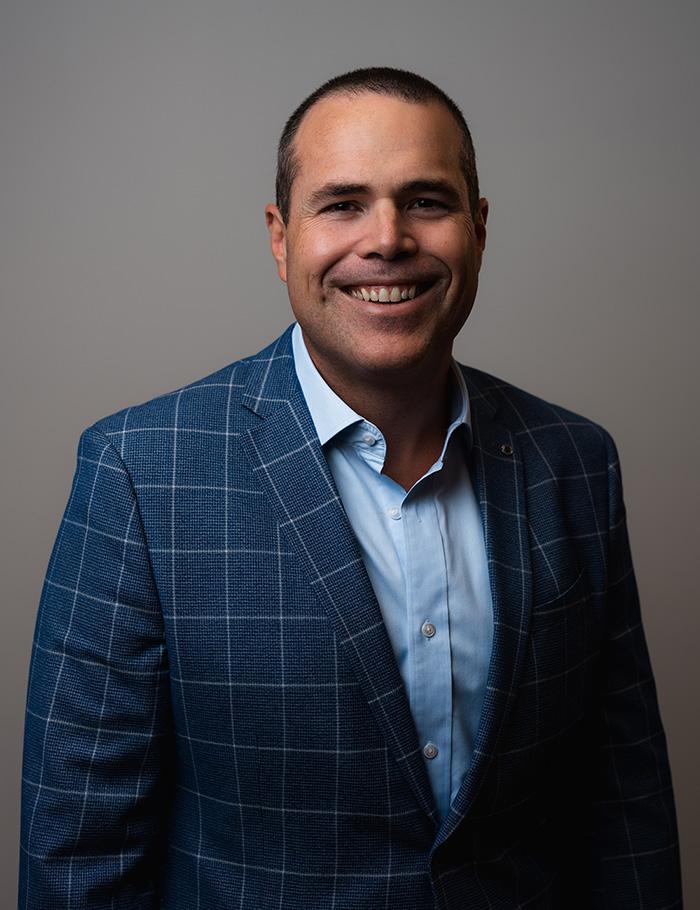
Oral & Maxillofacial Surgeon, Founder · BMed (Hons), BDSc, FRACDS (OMS)
Dr Lincoln graduated in Medicine with Honours from Monash, completed Dentistry at the University of Queensland through its lateral entry program, and finished the Queensland Oral and Maxillofacial Surgery training program across the state's major teaching hospitals.
Full arch rehabilitation is his particular focus. He trained in zygomatic implants in Hong Kong in 2017 and in zygomatic, nasal and pterygoid implants in Texas in 2023, then trained further with surgeons from France, Brazil and Spain. He is an internationally published author and researcher.
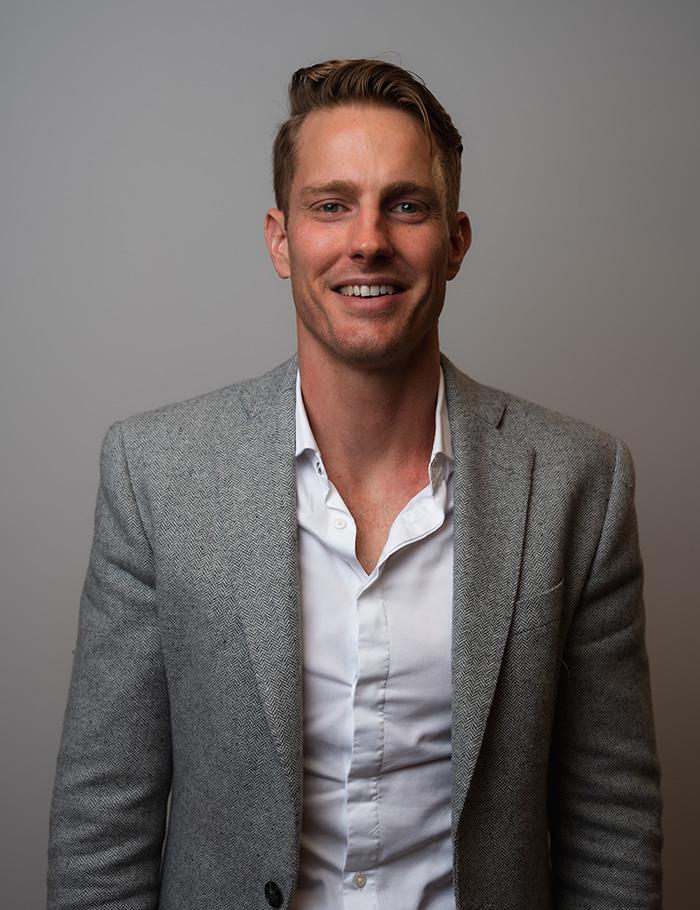
Oral & Maxillofacial Surgeon, Co-owner · MBBS, BDS, FRACDS (OMS)
Dr Higgins completed medicine in Melbourne in 2008 and worked in the maxillofacial unit at the Royal Brisbane and Women's Hospital before becoming the first lateral entry student into the James Cook University dental program, graduating in 2015 with an academic prize.
He completed four years of advanced surgical training across the Royal Brisbane and Women's, Princess Alexandra, Queensland Children's, Mater and Royal Darwin hospitals, and passed his fellowship examination in 2019, receiving the Robert M Cook Medal for the highest mark in Australia and New Zealand.
What a specialist brings
An oral and maxillofacial surgeon in Australia is a registered specialist who has completed a medical degree, a dental degree, and then four years of advanced surgical training and a fellowship examination. Dr Lincoln and Dr Higgins both hold that qualification, and implant surgery is their day to day work.
That training is why practitioners across Queensland send us the cases that need bone grafting, sit close to a nerve or a sinus, involve previous failed implants, or need a full arch rebuilt from the ground up.
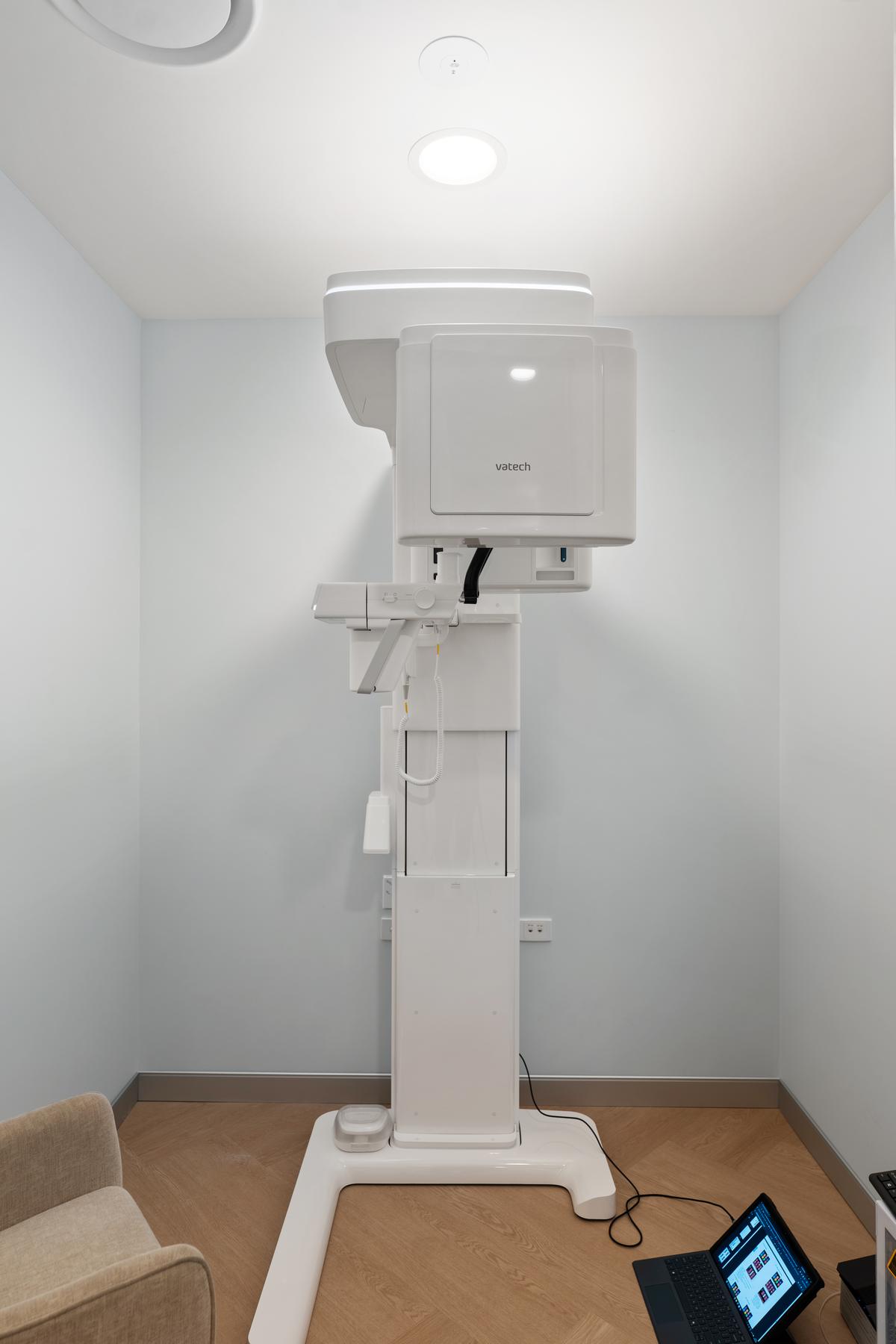
On-site 3D CBCT imaging at the Nucleus Medical Suites, Buderim.
Where you will be seen
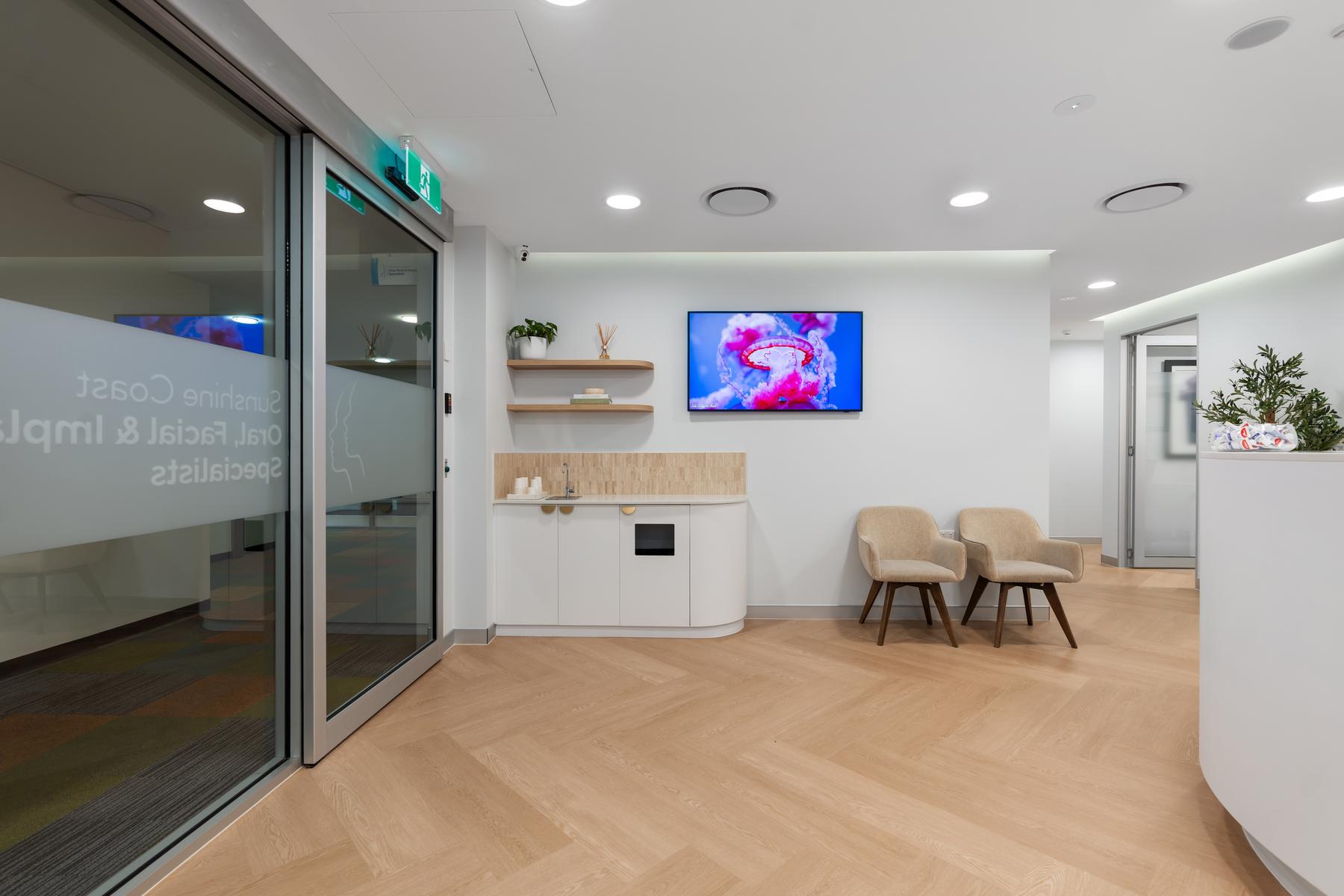
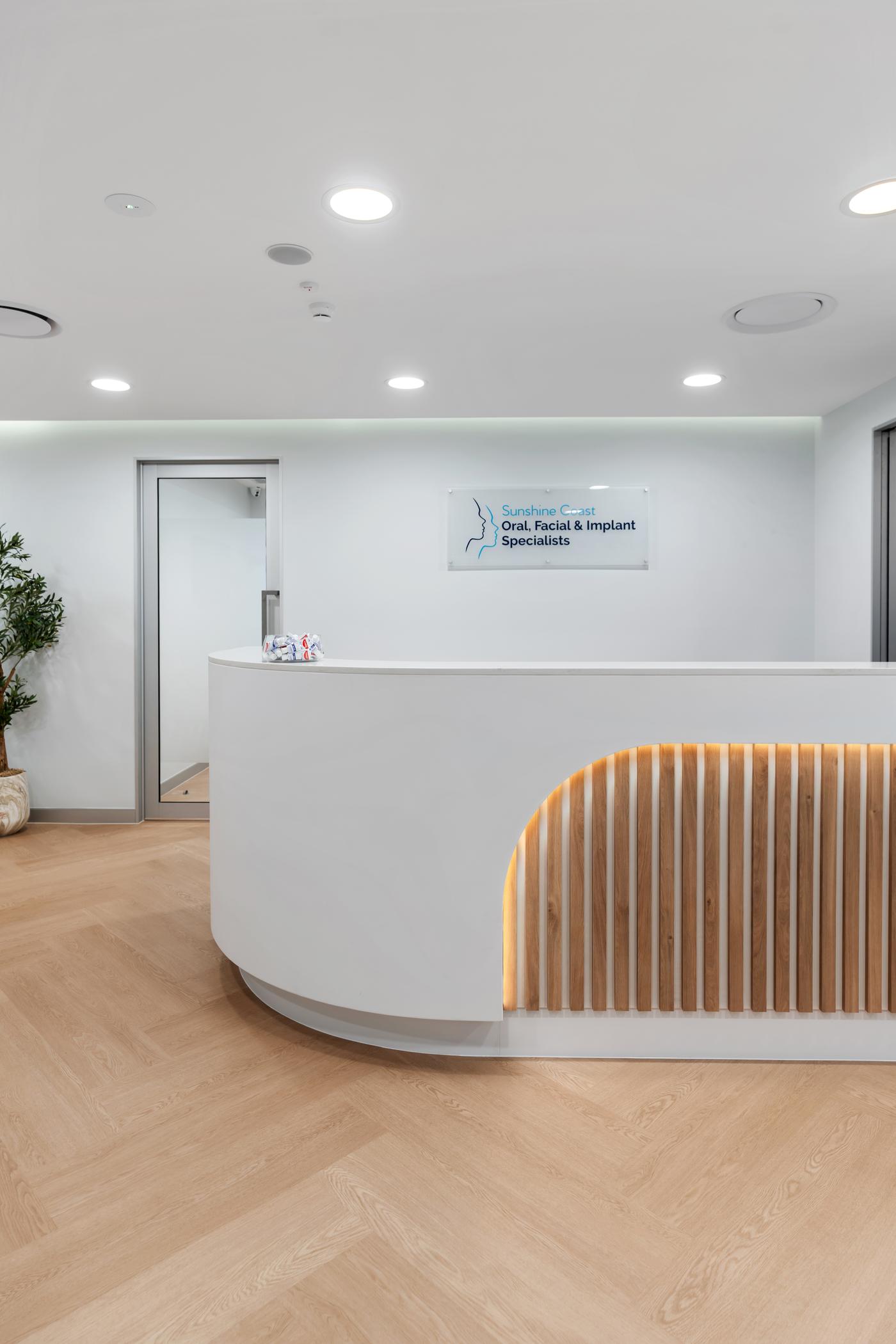
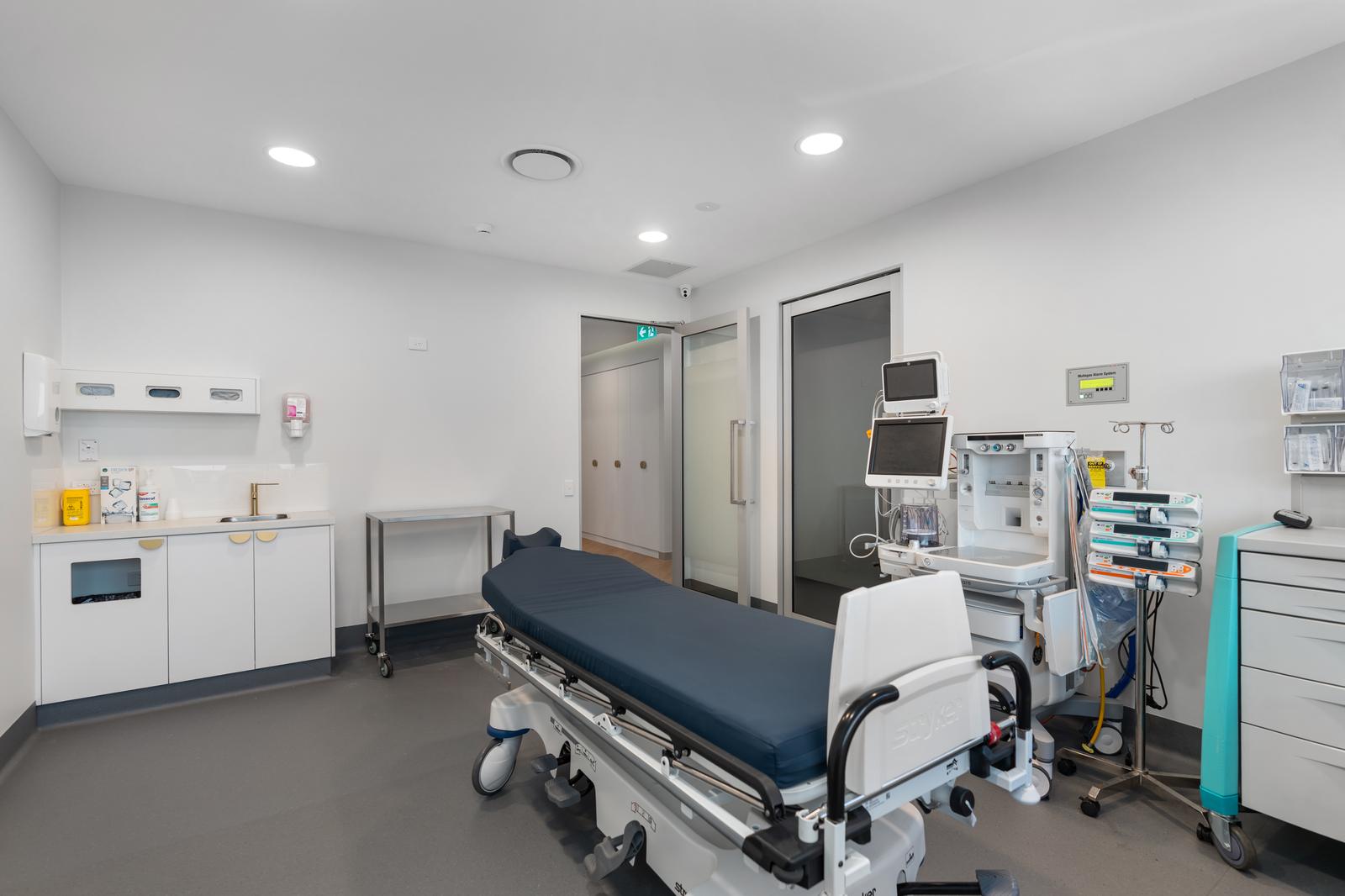
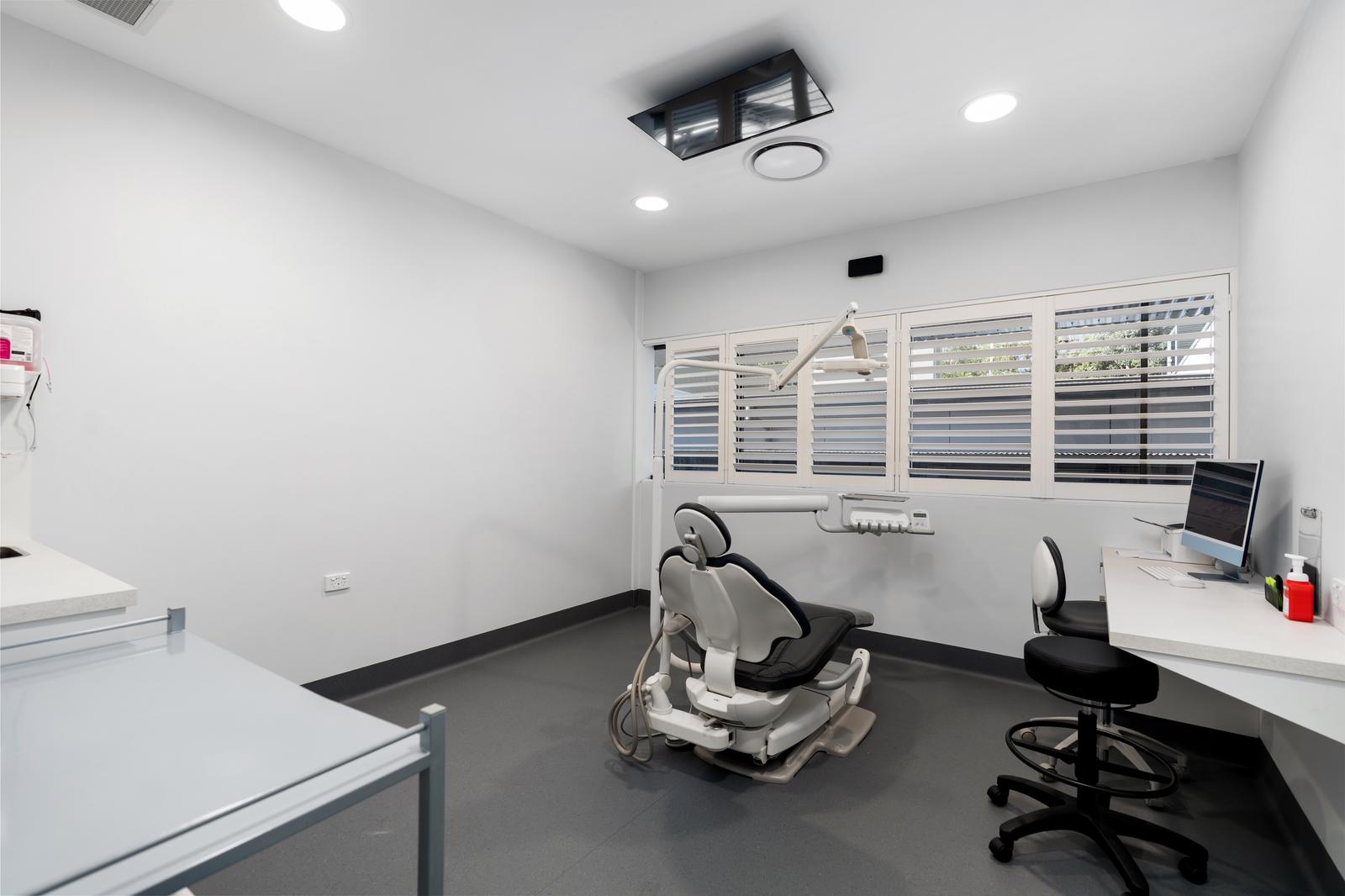
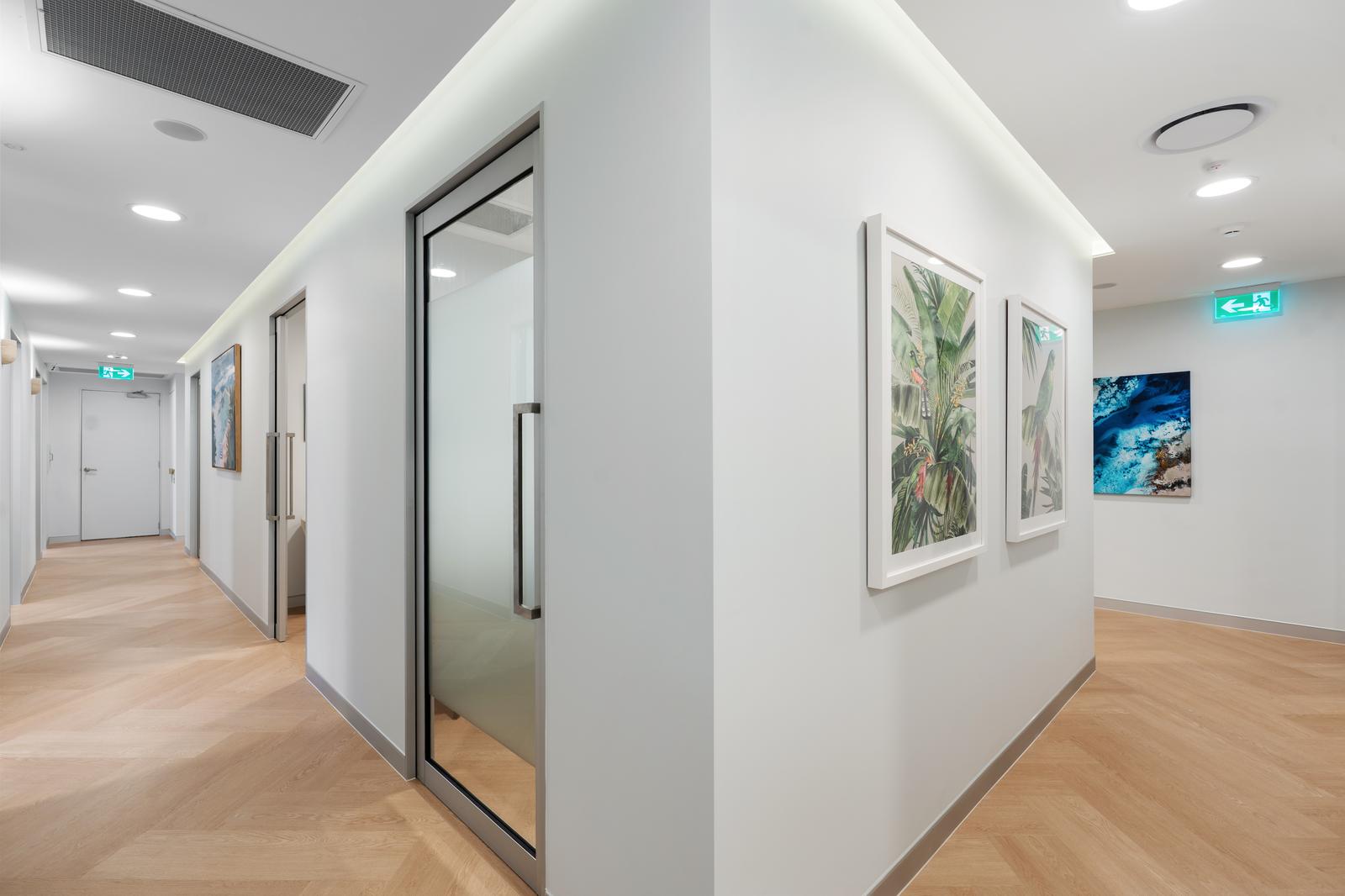
The practice sits within the Buderim Private Hospital precinct, surrounded by rainforest and five minutes from Mooloolaba, with on-site parking and lift access. It was designed from the ground up for oral and maxillofacial surgery, with a dedicated procedure room and on-site 3D CBCT imaging.
All consultations are held in Buderim. Selected cases are treated in our own rooms under local anaesthetic or IV sedation, and surgery under general anaesthetic takes place in the accredited private hospital that suits your case and where you live.
Private hospital locations
Your surgeon recommends the theatre that suits your case and where you live, from Maroochydore through to Hervey Bay.
Suite 5, 23 Elsa Wilson Drive, Buderim
12 Elsa Wilson Drive, Buderim
Second Ave & Memorial Ave, Maroochydore
12 Future Way, Maroochydore
62 Netherton Street, Nambour
1 Medical Place, Urraween
Paying for treatment
Implant treatment is a significant investment, and almost nobody pays for a full arch out of a savings account. Here is how it is usually done.
Spread the cost across manageable instalments rather than paying up front. Our patient coordinator will walk you through the plans available and what the repayments actually look like for your case. Approval is subject to the provider's criteria.
Many patients access part of their superannuation early on compassionate grounds to fund major dental treatment. Applications are assessed by the ATO, and our team provides the clinical documentation to support yours. Eligibility is decided by the ATO, not by us.
Extras cover often contributes toward surgical fees, and if your surgery is under a general anaesthetic in hospital, your hospital cover may apply to theatre and anaesthetist costs. We give you the item numbers so you can confirm your exact rebate before you commit.
You receive an itemised treatment plan after your consultation covering the surgical fee, and where relevant the hospital and anaesthetist fees billed separately. You know the full figure before you decide anything.
Eligibility for early release of superannuation is assessed by the Australian Taxation Office. Payment plan approval is subject to the provider's criteria. Health fund rebates vary between funds and policies.
About dental implants
The right option depends on how many teeth are missing and how much bone is left to work with. Your consultation and 3D scan settle it.
One implant replaces the root and a crown sits on top, so nothing is ground down on the teeth either side and the bone that would otherwise shrink is preserved. Where a tooth is failing, it can often be removed and the implant placed at the same visit.
A small number of implants can carry a bridge across a gap, or secure a denture that has never sat comfortably. It stops the rocking and the adhesive and restores the ability to eat properly, without replacing every tooth in the arch.
Every tooth in the upper or lower jaw replaced on four or more implants, fixed to the jaw rather than resting on the gum. In most cases a temporary bridge is fitted on the day of surgery, and most patients do not need bone grafting.
A single implant
A dental implant is a titanium fixture placed into the jaw to take the place of a missing tooth root. Once the bone has grown around it, a crown made by your dentist or prosthodontist is secured on top.
Unlike a bridge it does not rely on cutting down the healthy teeth on either side, and unlike a denture it does not move. It also preserves the jaw bone, which starts to shrink as soon as a tooth is lost.
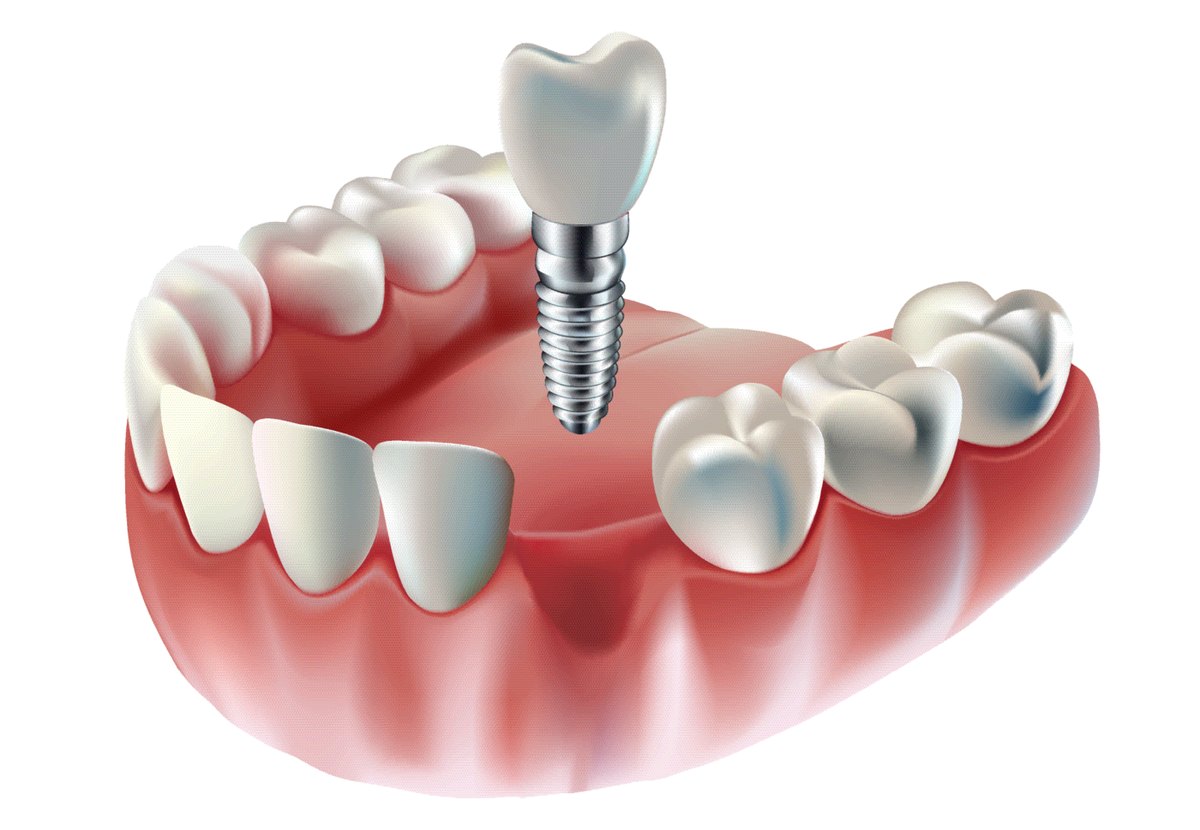
A titanium implant replaces the root, and a crown is secured on top.
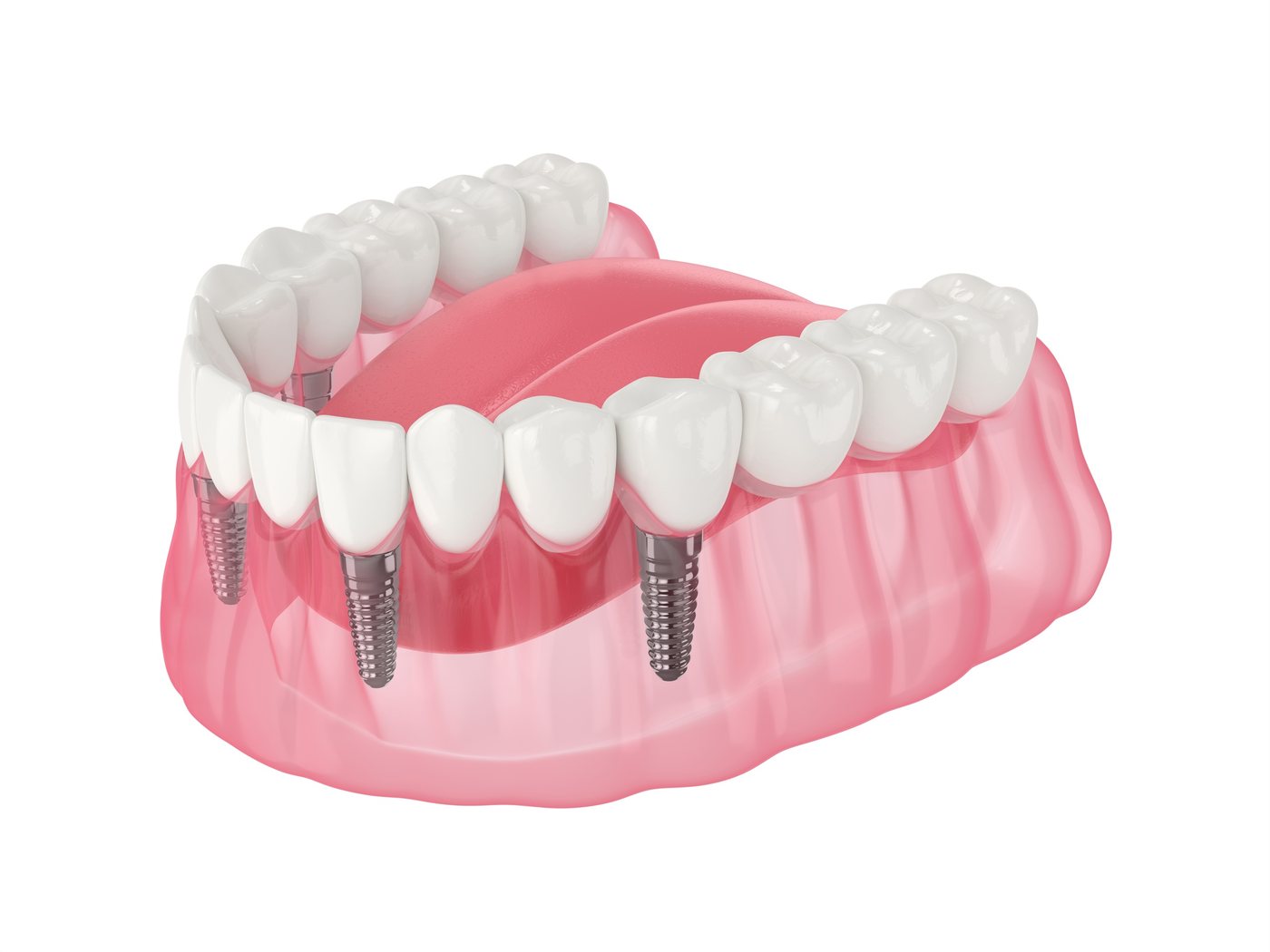
Two implants placed vertically at the front, two angled toward the back.
How All-on-4 works
Two implants are placed vertically at the front of the jaw where the bone is densest, and two are angled up to 45 degrees toward the back. That angle is the whole idea. It lets the implants anchor into the bone you already have, which is why most patients do not need grafting, even after years in dentures.
A fixed bridge is then secured to those implants, so your teeth are attached to your jaw rather than sitting on your gums. There is nothing to take out at night and no adhesive.
All-on-X and complex cases
How many implants your case needs depends on your bone quality and the forces your bite puts through them. Four is enough for many patients. Others do better on five or six, which is where the term All-on-X comes from. Your surgeon confirms the number after assessing your scan, not before.
Where the upper jaw has shrunk badly after long term denture wear, gum disease or failed implants, conventional implants may have nothing to hold onto. Rather than months of grafting, remote anchorage implants bypass the problem by anchoring in bone that does not resorb.
Dr Lincoln trained in zygomatic implants in Hong Kong in 2017 and in zygomatic, nasal and pterygoid implants in Texas in 2023, and patients are referred to the practice from across Queensland for this work. Very few people are told nothing can be done.
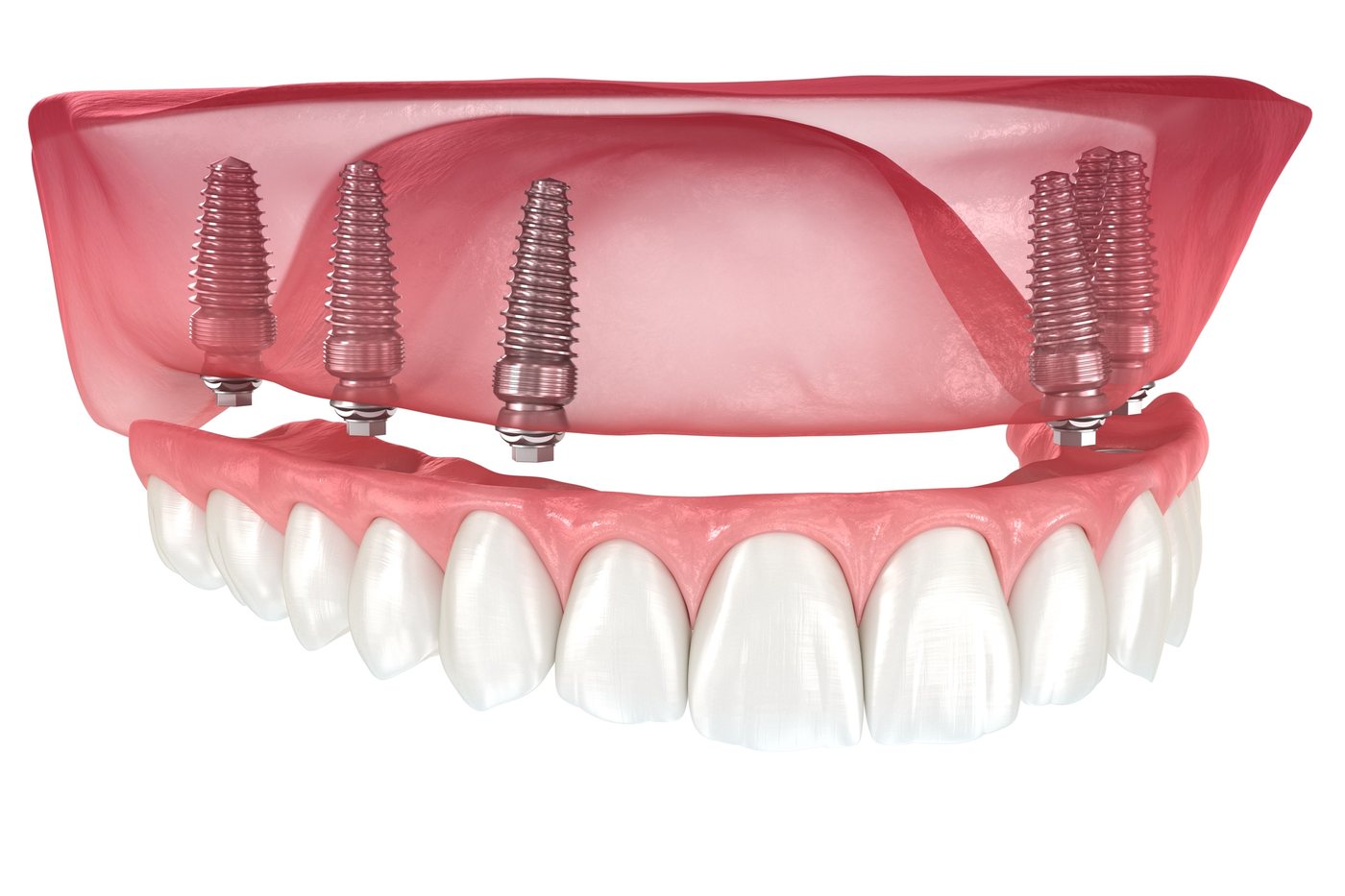
Some cases need five or six implants for stability. That is what All-on-X means.
The finished result
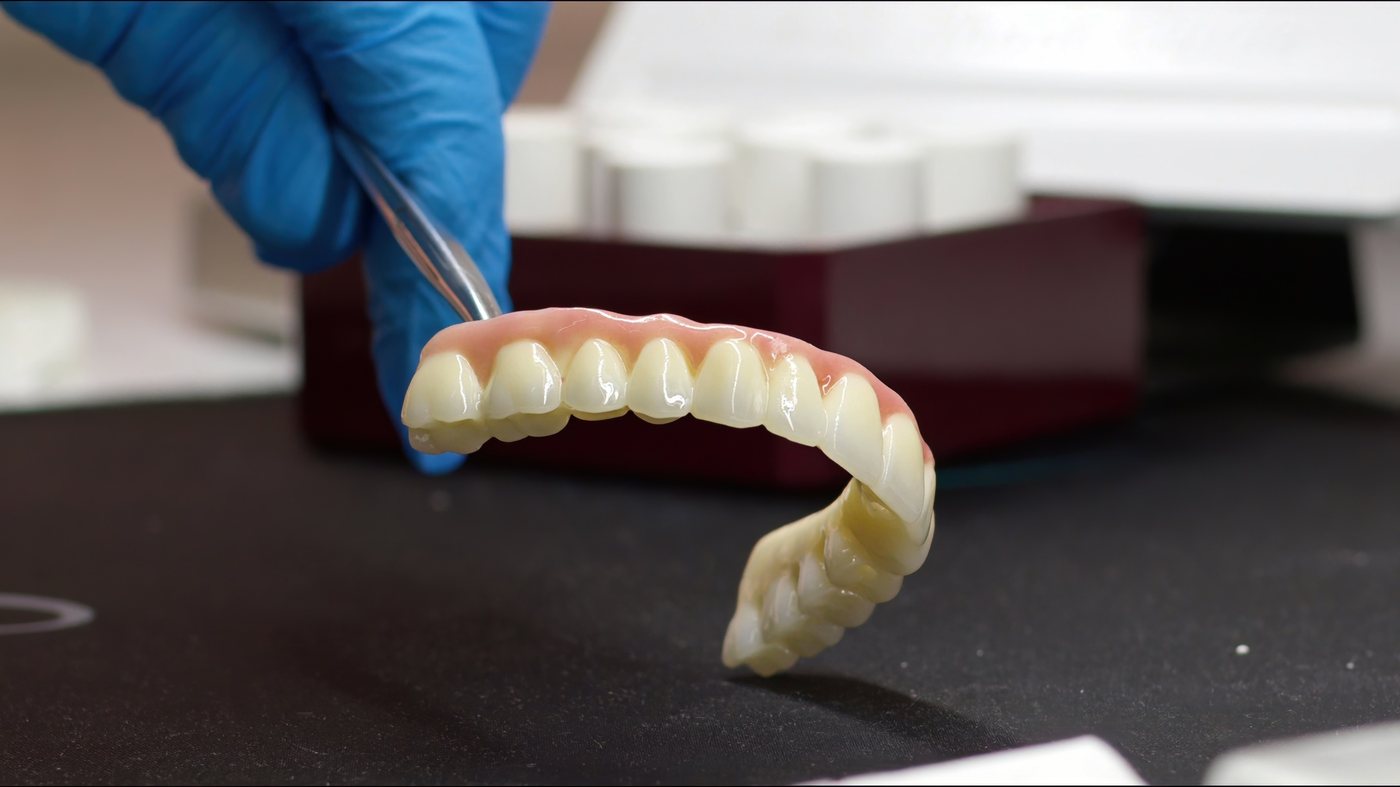
The temporary bridge fitted on the day of surgery carries you through healing. Over the following months the bone integrates with the implants, and once that is complete your final bridge is made and fitted, with reviews along the way.
Shade, tooth shape, lip support and the way your bite meets are all worked through at that stage, with an experienced prosthodontist or your own dentist handling the restoration alongside your surgeon.
What happens, and when
Every case is different, but the path from first call to final teeth follows the same four stages.
A full assessment of your teeth, gums and jaw bone with a CBCT scan taken in our rooms. You find out whether you are suitable, how many implants you need, and what it costs.
Implant positions are planned digitally and your anaesthetic is confirmed. You receive a written, itemised treatment plan with item numbers so you can check rebates with your fund.
Any remaining teeth are removed, the implants are placed, and for full arch cases a temporary fixed bridge is fitted. Most patients go home the same day.
The bone integrates with the implants over the following months. Your final crown, bridge or full arch is then made and fitted, with reviews throughout.
Before you enquire
No. You are welcome to see us without one. If you do have a referral from your general dentist or GP, you may be eligible for a Medicare rebate on your consultation, and our team is happy to help you arrange one.
All-on-4 suits people who have lost most of their teeth, have teeth that cannot be saved, or wear a denture they find loose and uncomfortable. Because the rear implants are angled, it often works even where there has been significant bone loss. A consultation with a 3D scan gives a definitive answer either way.
In most full arch cases, yes. A temporary fixed bridge is attached to the implants at the time of surgery, so you go home with a full set rather than an empty mouth or a denture. The final bridge is fitted once the implants have integrated with the bone, generally three to six months later.
Usually not for full arch treatment. Tilting the rear implants lets them anchor in denser bone at the front and mid jaw, which avoids grafting in most cases. Where bone volume is very limited, remote anchorage options such as zygomatic or pterygoid implants may be recommended instead. Both surgeons are trained in these techniques.
Yes. Depending on your case you can be treated under local anaesthetic or IV sedation in our Buderim rooms, or under a general anaesthetic in an accredited private hospital theatre with a specialist anaesthetist present.
It depends on how many implants you need, whether extractions or grafting are involved, and where your surgery takes place. You receive an itemised written treatment plan after your consultation, before committing to anything. Payment plans are available, health fund rebates may apply, and for full arch treatment eligible patients may apply to the ATO for early release of super.
With good oral hygiene and regular professional maintenance, implants can last for decades. We show you how to clean around them and recommend a review schedule before you leave.
Often not. Grafting can rebuild bone volume, and for severe upper jaw bone loss, zygomatic implants anchor in the cheekbone rather than the jaw and avoid grafting altogether. Patients are referred to Dr Lincoln from across Queensland specifically for this work, so it is worth a second opinion before accepting that nothing can be done.
Take the first step
Tell us where things stand and our patient coordinator will call you to arrange a consultation with Dr Lincoln or Dr Higgins.
Our patient coordinator will be in touch to arrange your consultation. We never share your details.
Our patient coordinator will be in touch shortly to arrange your consultation. If you would like to speak to someone now, call (07) 5406 0586.